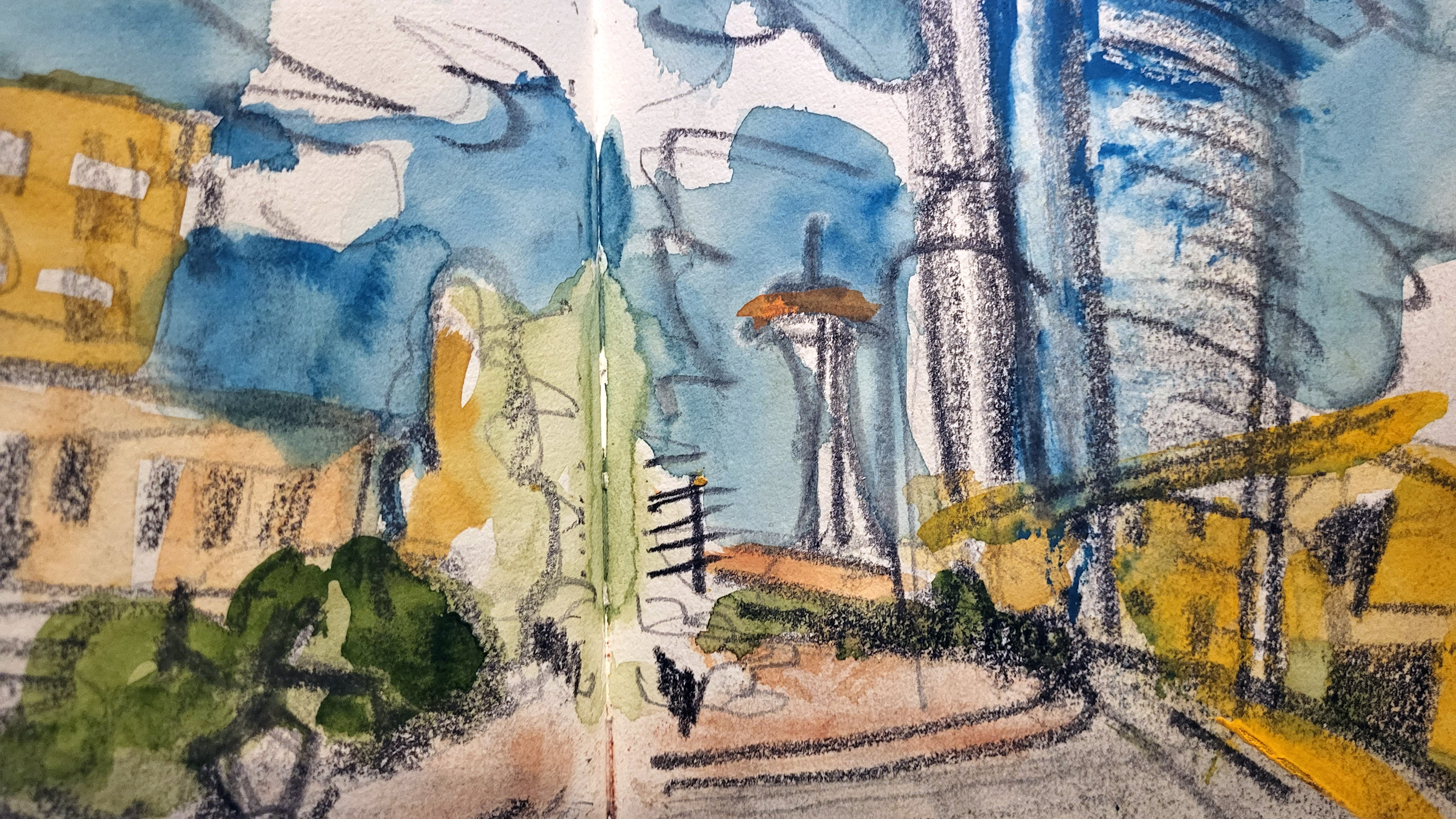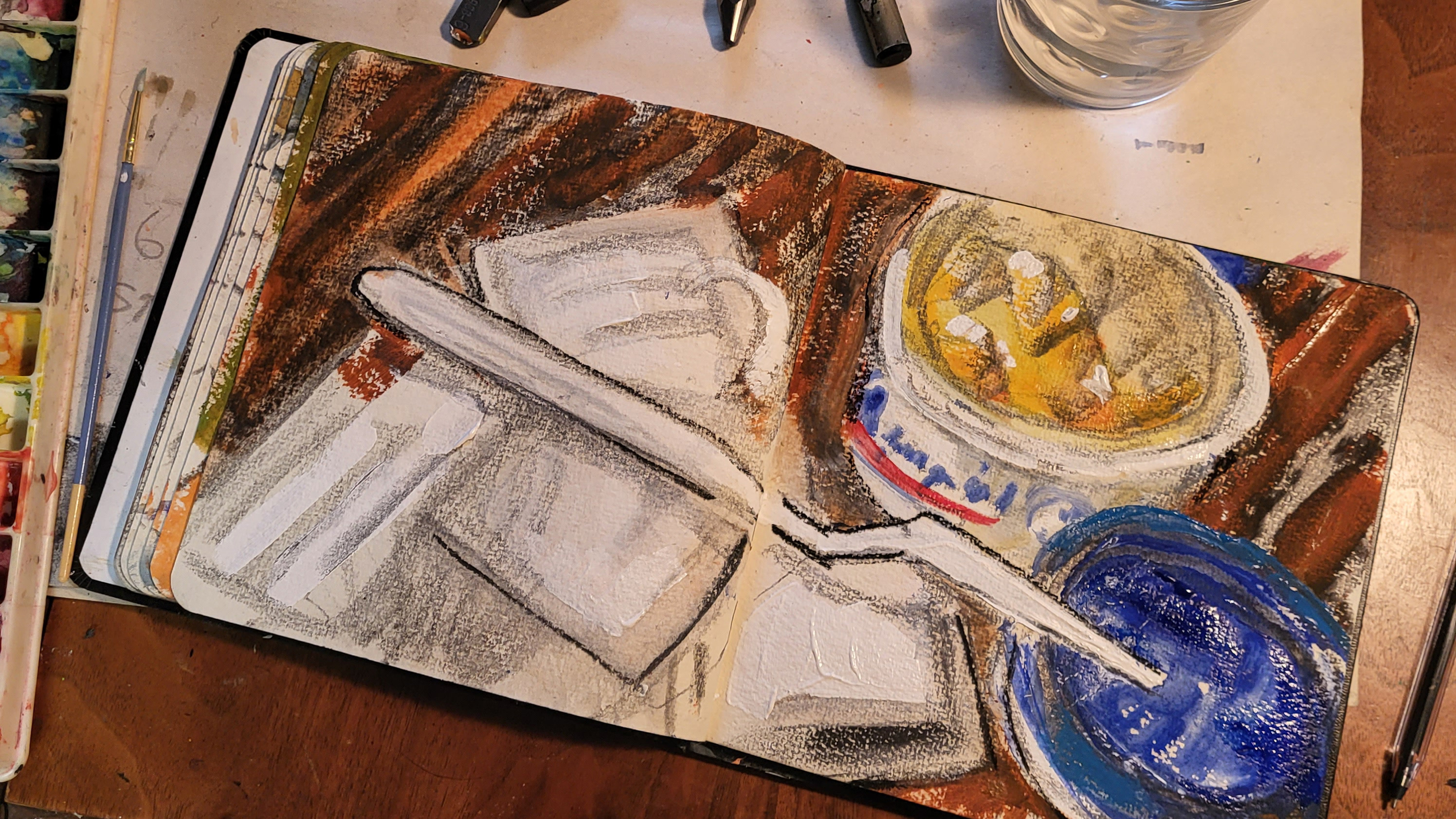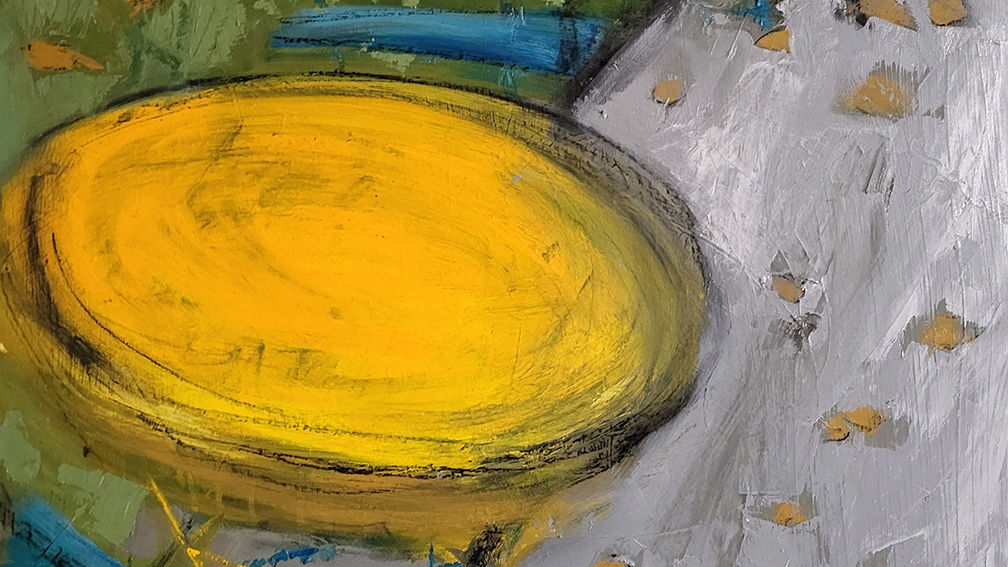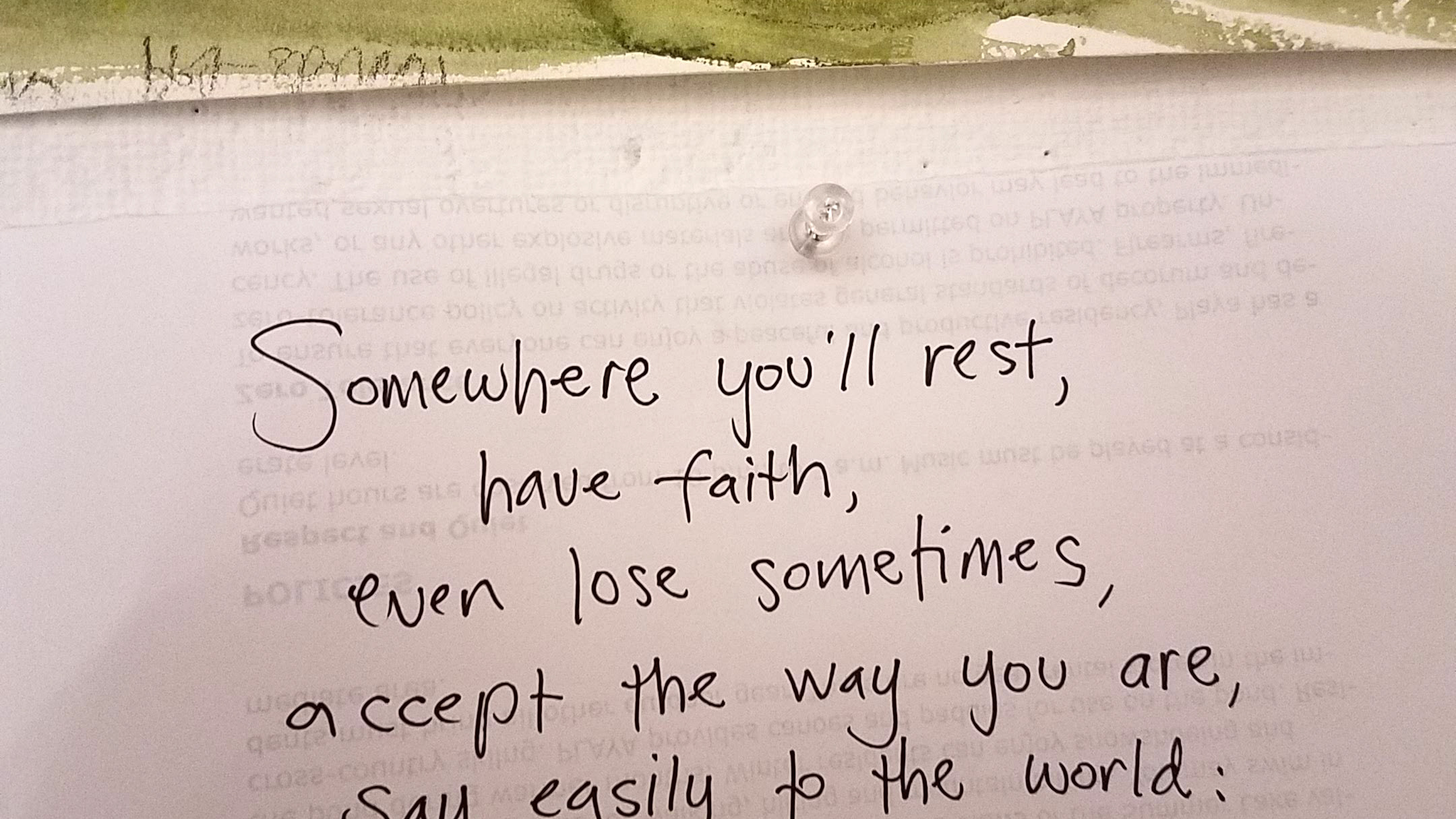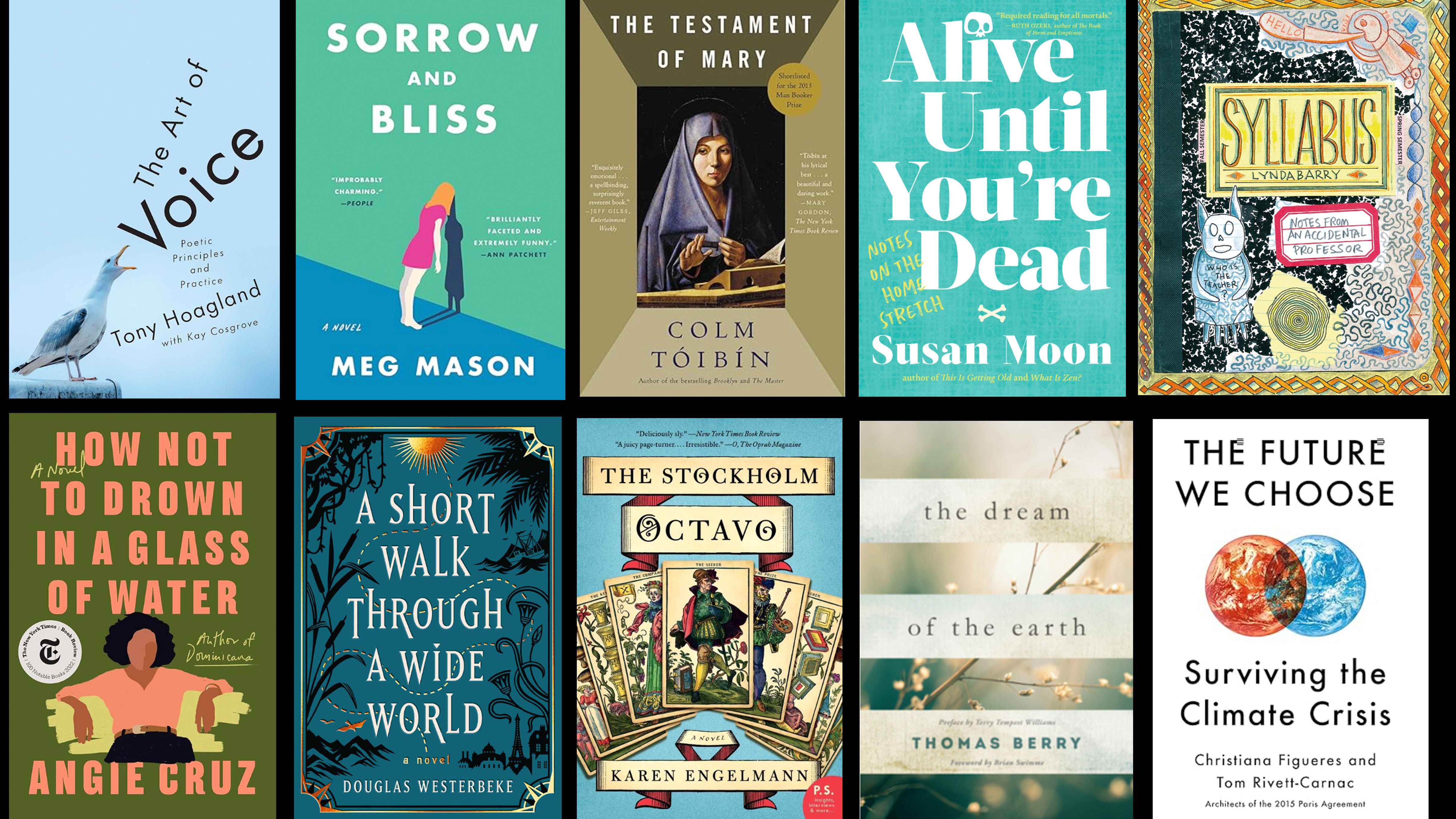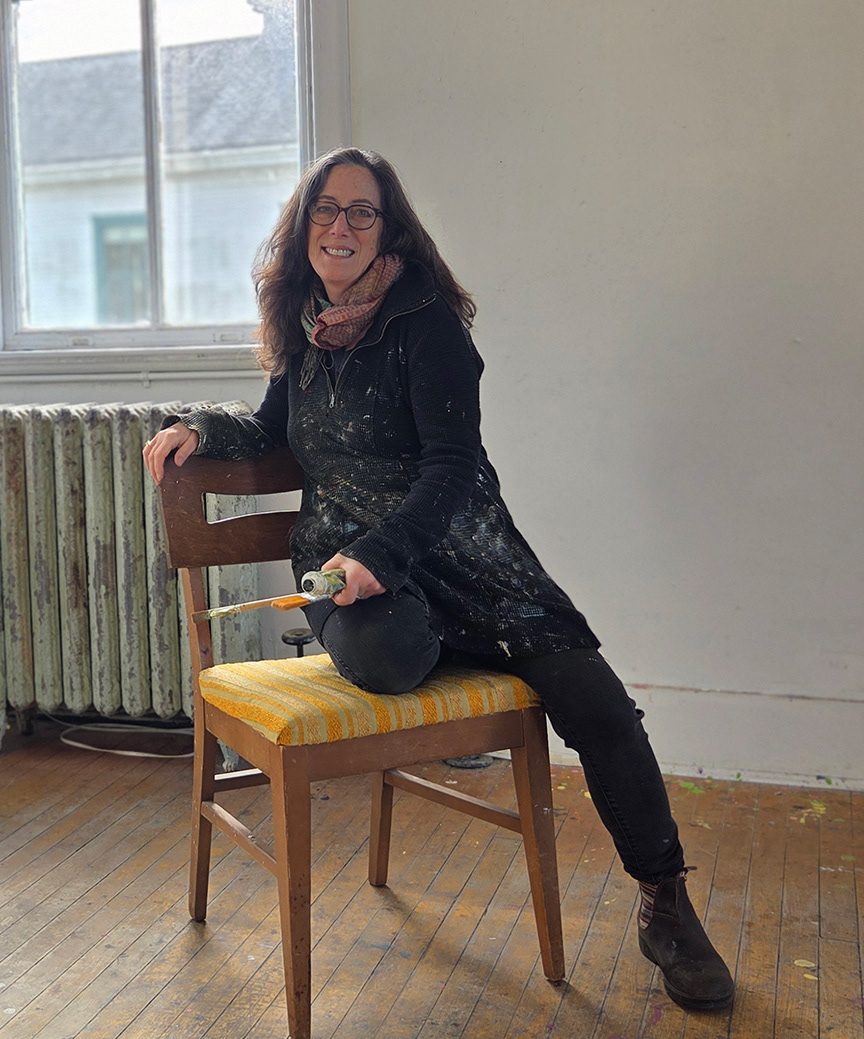
Recently I applied for a SOLA grant. I was tired of writing my usual biography, my usual statement. Shaking up that process, I recalled advice from a recent writing workshop with the brilliant Ruth Ozeki – she said: if you are stuck, just start asking questions. No answers, just questions. It’s invigorating. Seventy questions later, I started answering. Here’s a selection. An interview with myself:
Why is art making important to you?
My art, other people’s art, is how we are human, is how we make sense of our world. It is not about definition; it is about expression. A kind of formula of moment+person+history+love. In this way, every art maker is the only art maker, entirely original, entirely themselves.
Is art an artifact of meaning?
Art is an artifact of meaning, but it doesn’t follow that we need to know what it means. Even the artist doesn’t need to know what it means. The story can happen in the white space, in the cracks, in the emptiness. Our world is obsessed with content. Sometimes meaning is outside of content, or the relationship between meaning and object is subtle.
How has difficulty informed your work?
Difficulty moved my work deeper into my voice. When life is difficult, I turn to art, and without intending it, the work goes to different places, either through a change in medium, subject or process. Maybe “transition” is a better word than “difficulty”. When things change, something in my art changes. Of course it does.
Does ease have a place in your work’s evolution?
Ease is freedom of expression, of self-trust, a mark of artistic maturity. Ease is perhaps the opposite of doubt. In ease, there is groundedness, breathing, and fun. Sometimes when I am painting, I am getting in there, rubbing paint with my fingers – or when I painted in latex enamel, when I would drip and pour – and I think “this is just so much fun!” I feel the same way about writing. Deeply satisfying at its best, to get a thought down on paper in some beautiful way.
What role does the medium play in the art making?
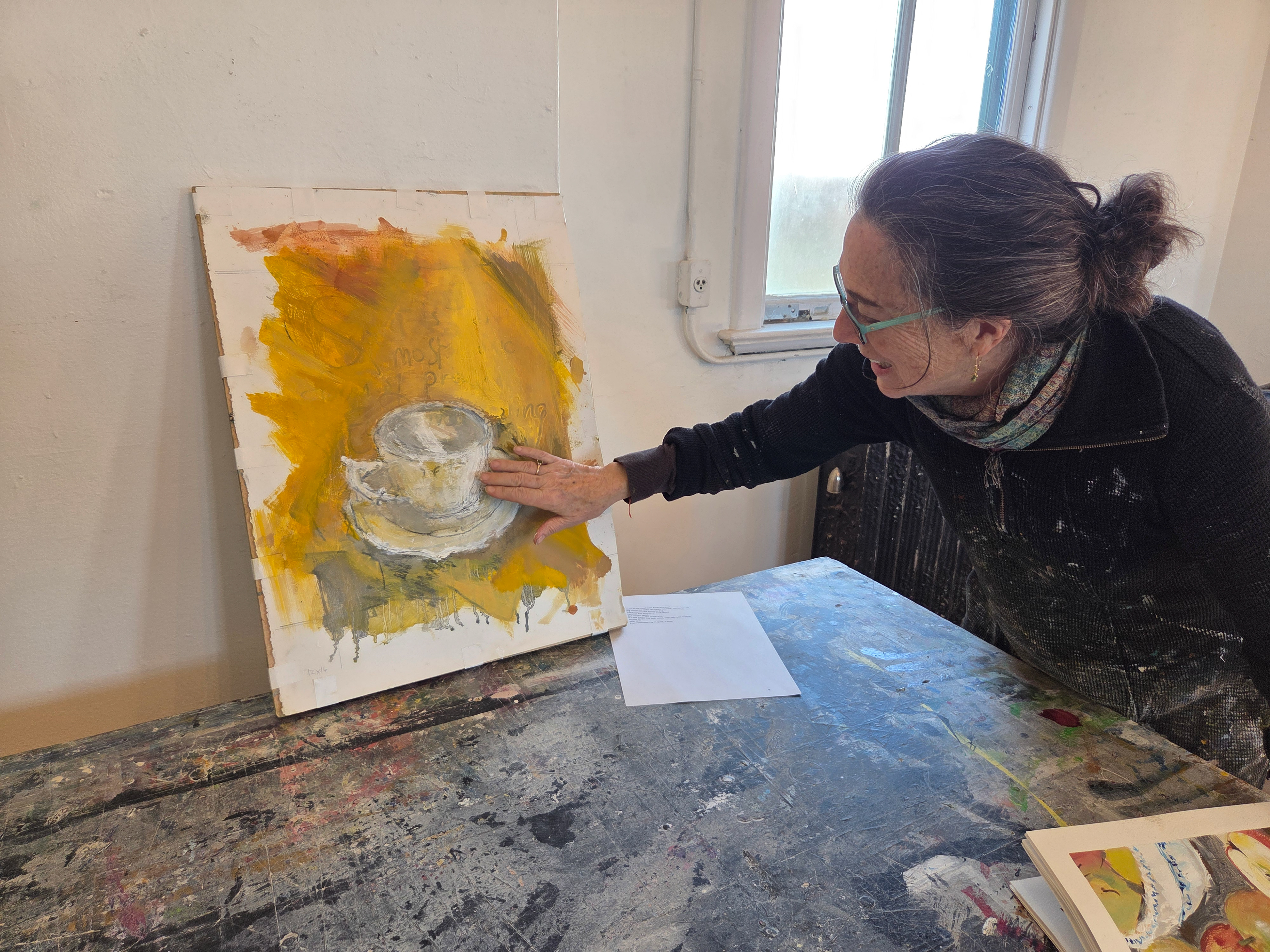
Materiality is one third of the expression. The other two are inspiration. And uncertainty. I take this philosophy directly from Bayles and Orland’s book called “Art and Fear”. It is the truth of the making. Mediums have their own voice, their own energy and response. It can be delightful when the unexpected comes in from the medium.
What do you like about different mediums you are currently working with?
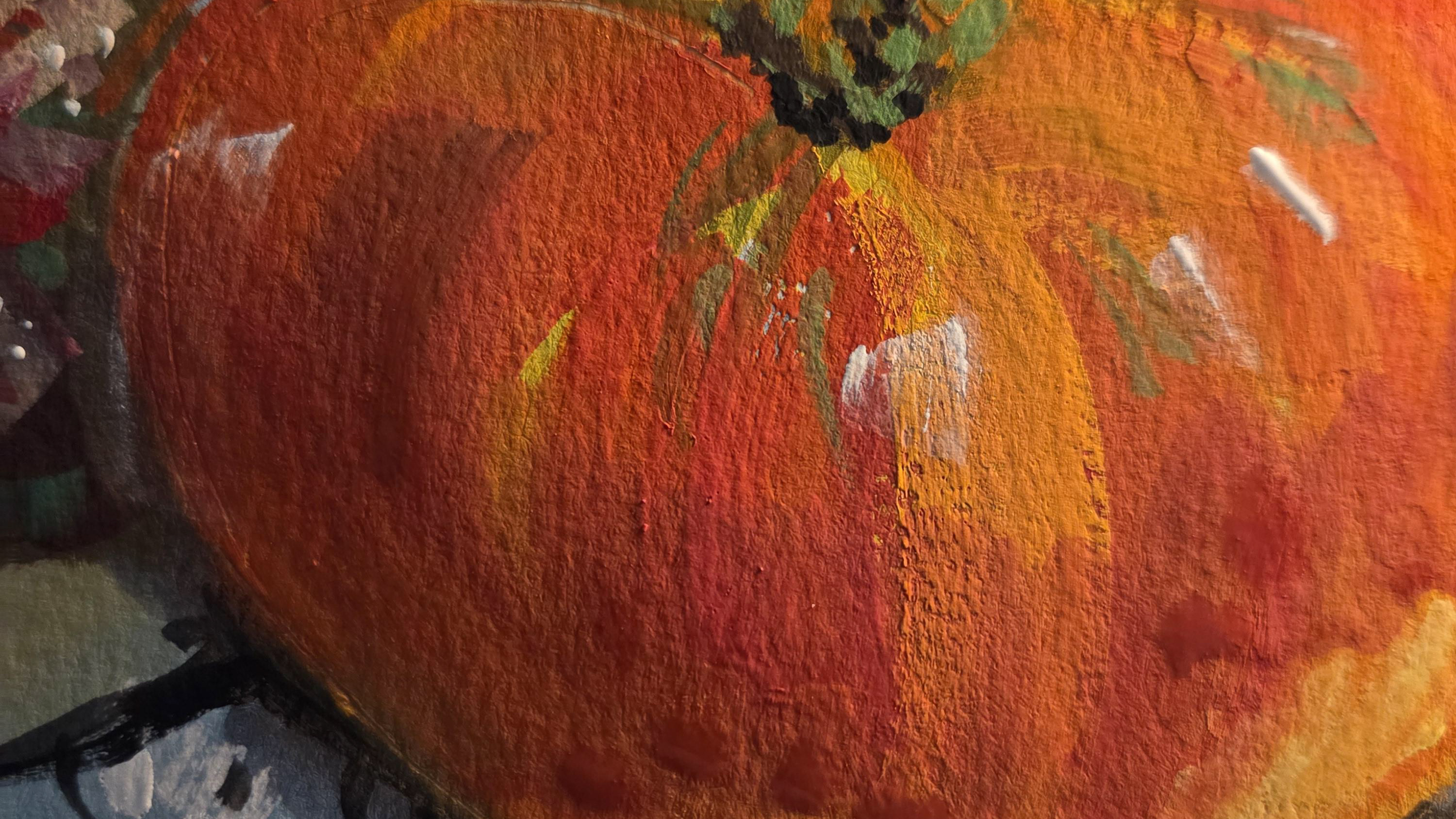
Watercolor for its portability, non-toxicity and transparency. Gouache for its opacity, matte-ness, move-ability, ease of use. Sumi ink for its fluidity and blackness. Water soluble graphite for its flexibility and control and loose gestural possibilities. Oil for its permanence, gravitas, flexibility, viscosity, color intensity.
What is the most direct way to explain your inspiration?
I am interested in exploring what shows up in my life. It is an alchemical process: I observe inner and outer happenings, objects, responses. And it comes out as art. And that art has a connection to other humans’ experience. Whether it is grief, contentedness, transition or emergence, we have all been there at one time or another. It is this connection, intimate and close in, that interests me. It is not big, it is small, and ordinary.
What do you hope to communicate to those who experience your art?
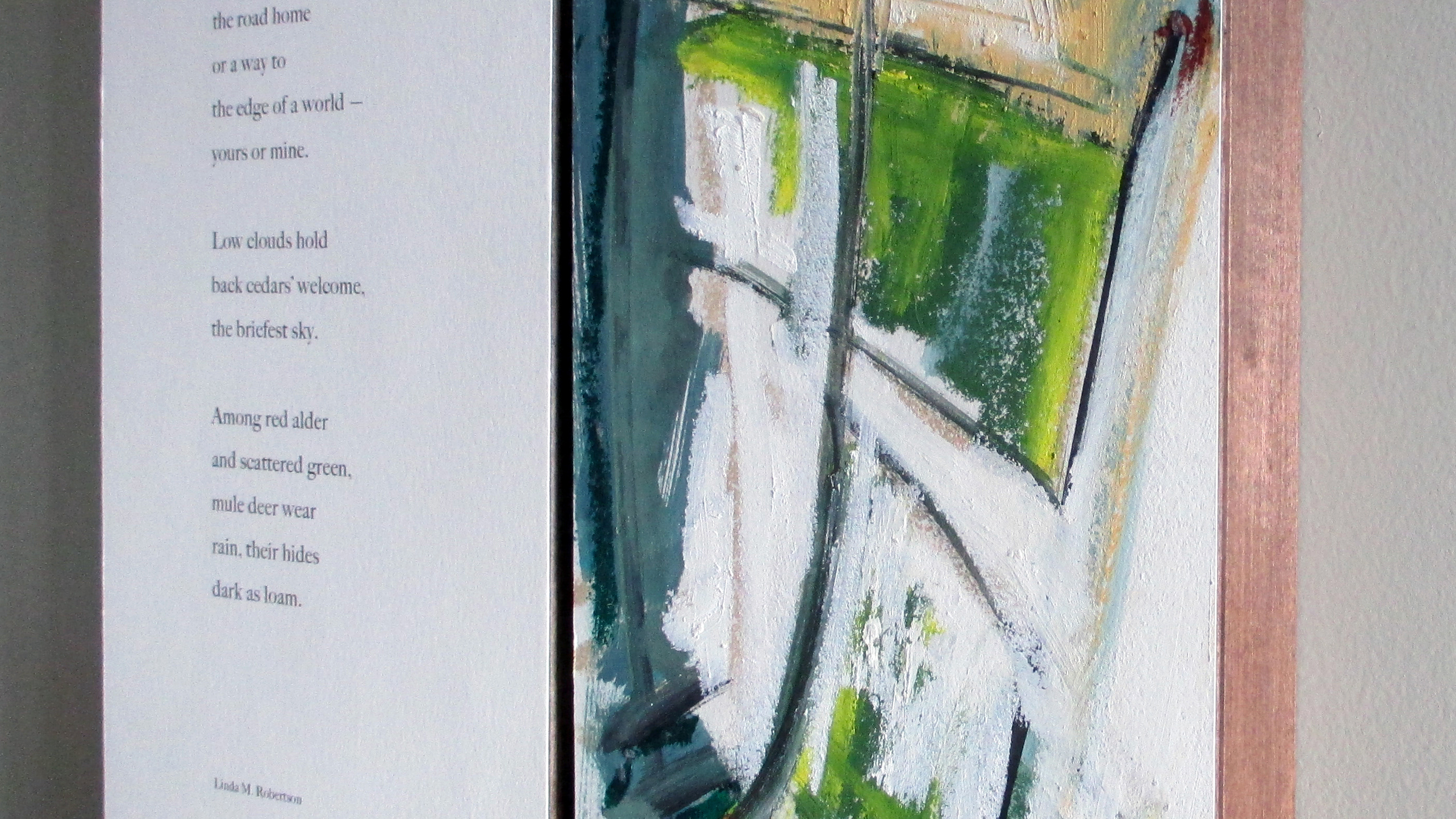
First, that my art brings beauty. I know from experience that in the most heart wrenching situations, such as hospitals and hospice, art helps ease the moment. So, there’s that. Beauty. Then there is resonance. Ideally, the meaning, the theme, the content of the work connects with the viewers. Whether it is explicit storytelling, as in “Notes From Next to the Bed” words and paintings, or implicit meaning as in “Some Mornings” abstract paintings, or my recent “Still, Life.” Paintings and poems that express a movement within grief, I hope my work touches the human heart.
What influence does where you grew up have on your life as an artist?
I got my professional drawing chops through an early job doing automotive illustrations in Detroit. And that experience got me drawing Freightliner truck parts when I moved to Portland. Learning how to handle media was a critical skill I learned in those many hours. The inking and drawing familiarity kept me in illustration mode in my fine art for a while. It took a long time to loosen up.
I don’t feel a strong sense of Midwestern place in my work subject matter, either now or back then. The Midwestern influence is the work ethic, the middle-class attention to function and form. But my childhood in Detroit did introduce me to the Detroit Institute of Arts Museum, which was familiar home ground with its Diego Rivera murals, Helen Frankenthaler huge canvas, The Nut Gatherers (which could have been my sister and me), the beloved bronze donkey sculpture (which we were allowed to touch) and yummy cake in the Courtyard Café under its big glass ceiling.
I left Detroit at age 25, discouraged by crime, racial tension, geographical economic imbalance, industrialism and lack of vision for how it would ever be better. In 1982, Portland felt like nirvana, for an artist, for a citizen. The city's proximity to nature, arts culture, community and friendliness encouraged my freedom of expression and growth.
What influence does a sense of place have on your art’s subject matter?
When I first moved to Port Townsend from Portland, I naturally turned to landscape themes, including some still life of our agricultural abundance. But mostly trees and water. I was in awe and wonder at this place. I was working then the way I had been working in Portland: sketching from life or plein air sketching, then working from those pieces in the studio.
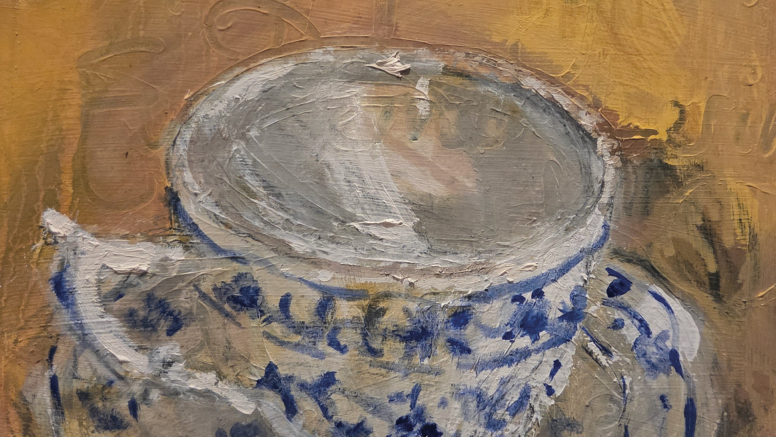
Now, my definition of a sense of place has shifted. Now it means, where is my life situated? What are its anchors? What are its questions? When Joe was so sick, and when he died, it was loss and grief I turned to in my art. But from a content-specific perspective, the objects that I moved that grief through were what I saw around me. My sense of place was domestic. It was Joe himself. It was the chair. It was the coffee cup. And that observational sense of place has continued in my current work with still life and domestic scenes. What I have around me is what I paint.
What influence does your life’s events have on your work?
Maybe it is grief that pervades the work. But really, grief is this: Tenderness. Intimacy. Presence. What grief has given me is surrender and courage. When I painted Joe’s head wound, when I painted his beautiful naked body, grief moved through me, and it was a good thing. I did not know how the paintings were going to turn out, but surrendering to the devastation of grief loosened me up. I didn’t care; I just knew what I needed to do. I think once you feel freedom like that, it is easier to go back to it, to allow the movement through heart to hand. There’s nothing to lose in painting.